
UN agencies visited Kakuma and Kalobeyei in September 2026 to support Kenya’s Shirika Plan. We look at what this means for refugees, host communities and digital skills empowerment.
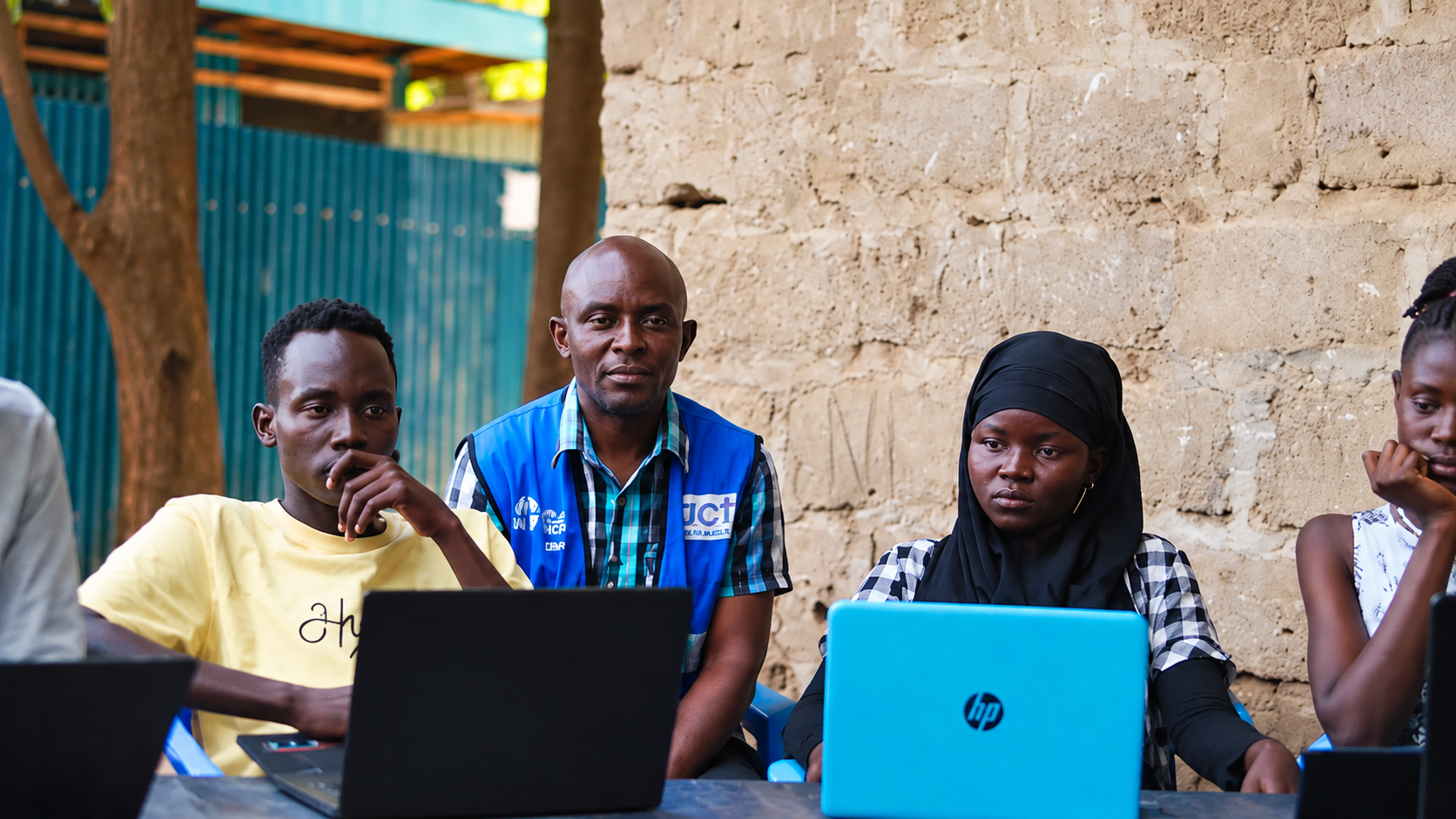
Something important happened in Kakuma and Kalobeyei at the beginning of September 2026.
Leaders from 14 UN agencies joined the Government of Kenya and Turkana County Government to discuss what the future of refugee inclusion in Turkana should look like under Kenya's Shirika Plan.
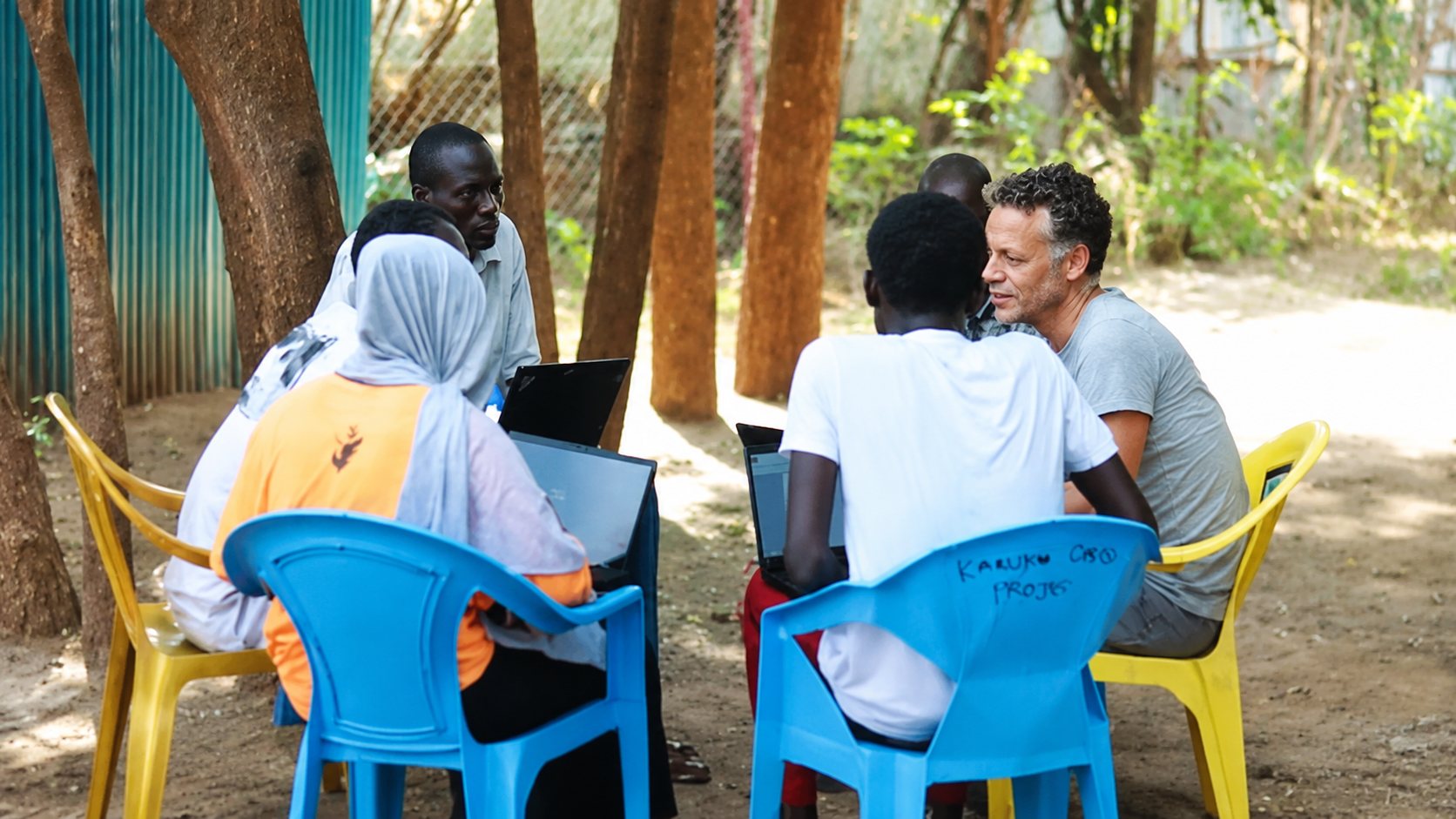
For us at Creative Gateway, this conversation is particularly important because we are already working in Kakuma Refugee Camp on one small part of that much bigger challenge: digital skills empowerment.
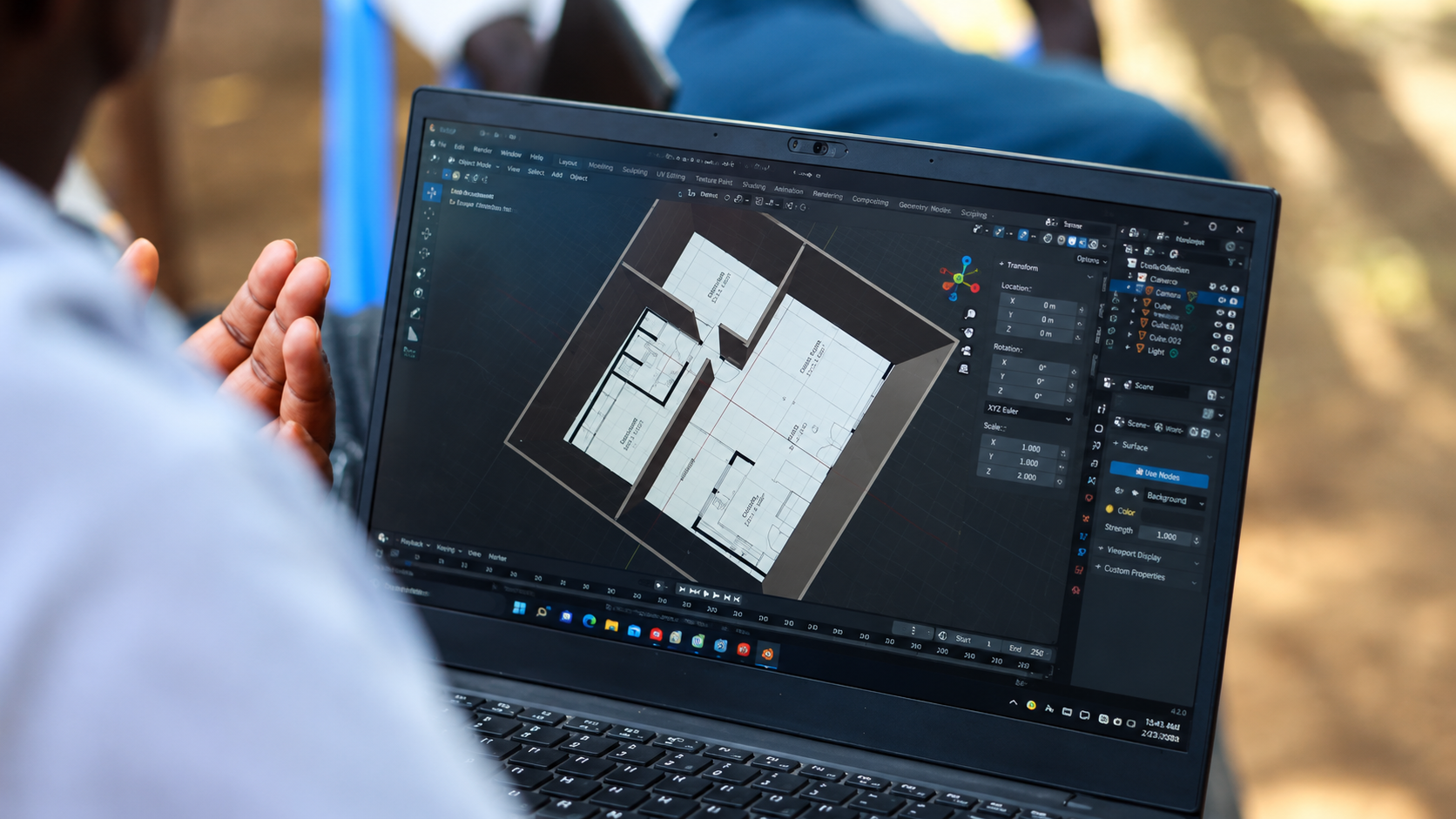
Through Creative Gateway, young people in Kakuma are being introduced to 3D modelling and digital creative skills, giving them access to technology and forms of creative expression they may otherwise have had very little opportunity to explore.
So when government, the UN and Turkana County talk about education, skills, economic opportunities and a different future for refugees and host communities, we are interested in what that looks like on the ground.
And particularly, where digital skills fit into it.
What is happening in Kakuma and Kalobeyei?
From 2nd to 4th September 2026, leaders and programme representatives from 14 UN agencies visited Kakuma and Kalobeyei.
The delegation included UN Resident Coordinator Dr. Garry Conille, UNHCR Kenya Representative Fatima Mohammed Cole and Turkana Deputy Governor Dr. John Erus, together with senior national government officials responsible for refugee affairs.
The visit was organised by UNHCR together with Kenya's Department of Refugee Services and the Turkana County Government.
And this wasn't simply another visit to Kakuma.
Some of the main people responsible for what happens next in Kenya's refugee response were there discussing how they could work together.
Why this matters for refugees in Kenya
The numbers put the scale of this conversation into perspective.
As of 31st July 2026, Kenya hosted 864,998 registered refugees and asylum seekers.
Of those, 320,814 were living in Turkana County.
That's more than a third of Kenya's entire refugee and asylum-seeker population living in one county.
For hundreds of thousands of people, therefore, the question of what happens next in Kakuma, Kalobeyei and the surrounding communities is not an abstract policy discussion.
It affects where people learn, how they access healthcare, what opportunities young people grow up with and how families might eventually support themselves.
So what were the UN and government actually looking at?
During the September visit, the delegation looked at what is working, what isn't working and what still needs attention.
They looked at everyday things people need: schools, healthcare, clean water, sanitation, housing, energy and social support.
But they also talked about something bigger:
How can people living here have more opportunities to work, do business and support themselves?
That included jobs, businesses and areas such as agriculture and livestock.
And this is where Kenya's Shirika Plan becomes important.
What is Kenya's Shirika Plan trying to change?
For many years, refugees in Kenya have largely lived within a separate humanitarian system.
People arrive and need food, shelter, healthcare, education and protection. The UN, NGOs and other humanitarian organisations step in to provide them.
That support is necessary.
But many refugees don't live in places such as Kakuma for a few months.
They can be there for years.
Some children are born there, grow up there and become adults there.
So at some point, you have to ask:
What comes next?
The Government of Kenya launched the Shirika Plan in March 2025 as part of an attempt to answer that question differently.
Instead of refugees remaining indefinitely in completely separate systems, the plan is to gradually make it possible for refugees to access more of the same services and economic opportunities as the Kenyan communities living around them.
And importantly, those communities are supposed to benefit too.
If a school improves, a water system is built, infrastructure is developed, investment comes into Turkana or new opportunities are created, the aim is for those improvements to benefit both refugees and host communities.
This doesn't mean humanitarian assistance suddenly disappears.
People who need food, shelter, protection or emergency assistance will continue to need support.
The bigger idea is that humanitarian assistance should not be the only possible future available to somebody living in a refugee-hosting area.
Turkana isn't starting from zero
The Kalobeyei Integrated Socio-Economic Development Plan, commonly known as KISEDP, has already created a framework for government, Turkana County, UN agencies, development organisations, businesses and communities to work together.
The Shirika Plan can build on that work.
And during the September visit, one message came through repeatedly:
Doing all of this separately isn't going to work.
Mercy Mwasaru, Acting Commissioner for Refugee Affairs, made the point that refugees and host communities are part of the same place.
In simple terms: these are neighbours. Organisations working in the area will achieve more if their resources and programmes work together instead of treating the communities as completely separate.
Dr. Garry Conille, the UN Resident Coordinator in Kenya, made a similar point about the organisations themselves.
No single UN agency, government department or organisation can deliver the Shirika Plan alone.
Different organisations bring different skills and resources to the table.
The challenge is getting them working towards the same goal.
But perhaps the part that caught our attention most came from Turkana Deputy Governor Dr. John Erus.
His point was that refugee inclusion should result in things people can actually see:
Better public services.
Better infrastructure.
More investment.
More economic opportunities.
More jobs.
And more ways for both refugees and host communities to build their futures.
Digital skills for refugees and host communities in Turkana
Another important part of the Shirika Plan is its focus on refugees and the communities hosting them.
That matters when we talk about digital skills empowerment in Kakuma too.
Young people from Turkana's host communities are also thinking about education, employment and what their futures will look like. If new opportunities are being created around technology and digital skills, they should be able to take part in them too.
There is no reason digital skills programmes should create another separation between refugees and the communities living around them.
A young refugee interested in 3D modelling and a young Kenyan from the host community interested in 3D modelling already have something in common.
They want to create.
Put them together with the same tools and suddenly the conversation isn't only about who is a refugee and who isn't.
It's also:
“How did you make that?”
“Can you show me?”
“Look what I created.”
That is another form of inclusion.
And it is one of the reasons we believe digital skills programmes in refugee-hosting areas should increasingly create opportunities for both refugee and host-community youth to learn, experiment and create together.
Creative Gateway's 3D Modelling and Digital Skills Empowerment Programme in Kakuma Refugee Camp
This is where the Shirika Plan conversation connects directly with work that Creative Gateway is already doing on the ground.
Through the Creative Gateway digital skills programme, we have been working with young people in Kakuma Refugee Camp and introducing them to 3D modelling and digital creativity.
We didn't need the Shirika Plan to tell us that access to digital skills matters.
Our work in Kakuma has already been showing us that.
We know what it means to introduce a young person to 3D modelling for the first time.
We have seen what happens when someone who may never have encountered this kind of technology sits in front of a computer, begins learning the tools and sees something they created appearing on the screen.
And we have also learnt that access is about much more than running a training session.
Before someone can even begin thinking about becoming a 3D artist, animator, designer or digital creator, they first have to know that these fields exist.
They need access to a computer capable of doing the work.
They need someone who can introduce them to the tools.
They need time to practise.
They need guidance when they get stuck.
And if that first introduction sparks something in them, they need somewhere to continue developing it.
These aren't conclusions we've arrived at from reading reports about refugees in Kenya.
They are things we have learnt by doing digital skills empowerment work in Kakuma Refugee Camp.
That is why the direction of the Shirika Plan is encouraging to us.
We are glad to see a much bigger conversation beginning to recognise something programmes working on the ground already encounter: one organisation cannot provide everything a young person needs.
Digital skills training needs an ecosystem around it
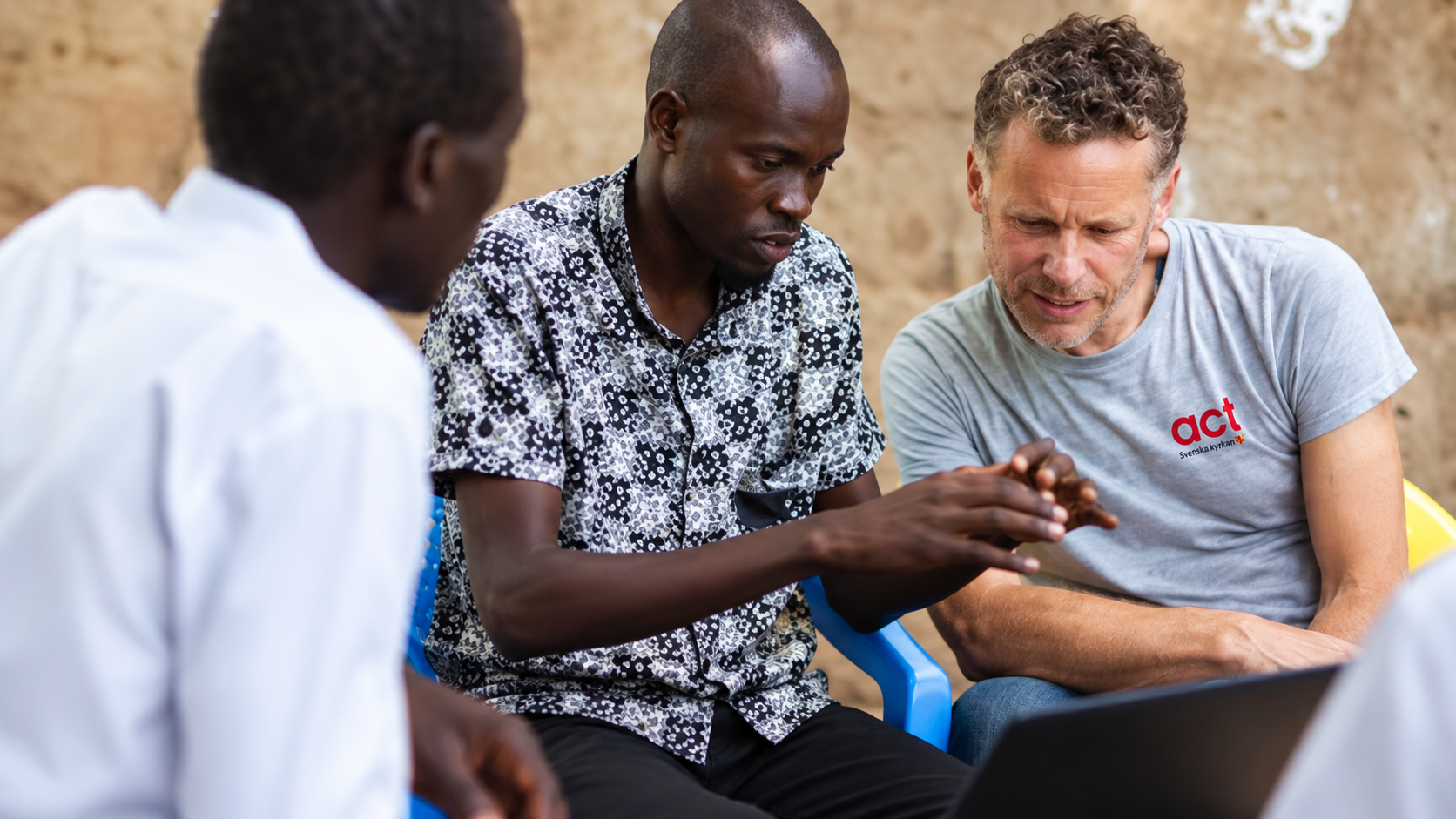
Creative Gateway have been introducing young people in Kakuma to 3D modelling and digital creativity.
But we already know that training alone isn't enough.
3D modelling requires capable computers.
Learners need continued access to those computers if they are going to improve.
They need software.
They need connectivity.
They need time to practise.
They need mentors and people they can learn from.
And as their abilities develop, they need exposure to the wider worlds of animation, architecture, gaming, advertising, product visualisation, film and other industries where 3D skills are being used.
This is where partnerships and collaboration become incredibly important to the future of Creative Gateway.
We don't expect one organisation to provide everything.
A technology partner could help improve access to equipment or software.
A connectivity partner could help young people get more reliable access to the internet.
Universities, creative studios and experienced 3D artists could provide specialist mentorship.
Companies working in animation, architecture, gaming and other creative industries could show participants where these skills can lead.
Development partners and donors looking for digital skills empowerment programmes in Kenya can support programmes already working directly with young people to reach more participants and provide longer-term opportunities to develop their skills.
Refugee-led organisations and host communities can help ensure that whatever comes next responds to what young people living in Kakuma and Turkana actually need.
We don't need every organisation to do the same thing. We need different organisations to bring what they are good at and work together.
In many ways, that is exactly what the leaders who visited Kakuma and Kalobeyei in September were saying.
For Creative Gateway, the opportunity now is to build more of those partnerships around work that has already begun.
We are already introducing young people in Kakuma Refugee Camp to 3D modelling and digital creativity.
Now we want to work with organisations that can help us strengthen that work, reach more young people and create more opportunities for both refugees and host communities to participate in Kenya's growing digital and creative economy.
Partner with Creative Gateway
If you want to be part of what comes next - as a partner, funder, employer, mentor or collaborator - let’s connect.
📩 Email our Project Lead, Vincent:
vincent@ambitiousafrica.org
🔗 Have questions about the programme or partnership opportunities?
Visit the Creative Gateway Contact Page.