
If We Want More Women in Tech, What Do We Actually Need to Give Them? A Reflection for International Women’s Day 2026
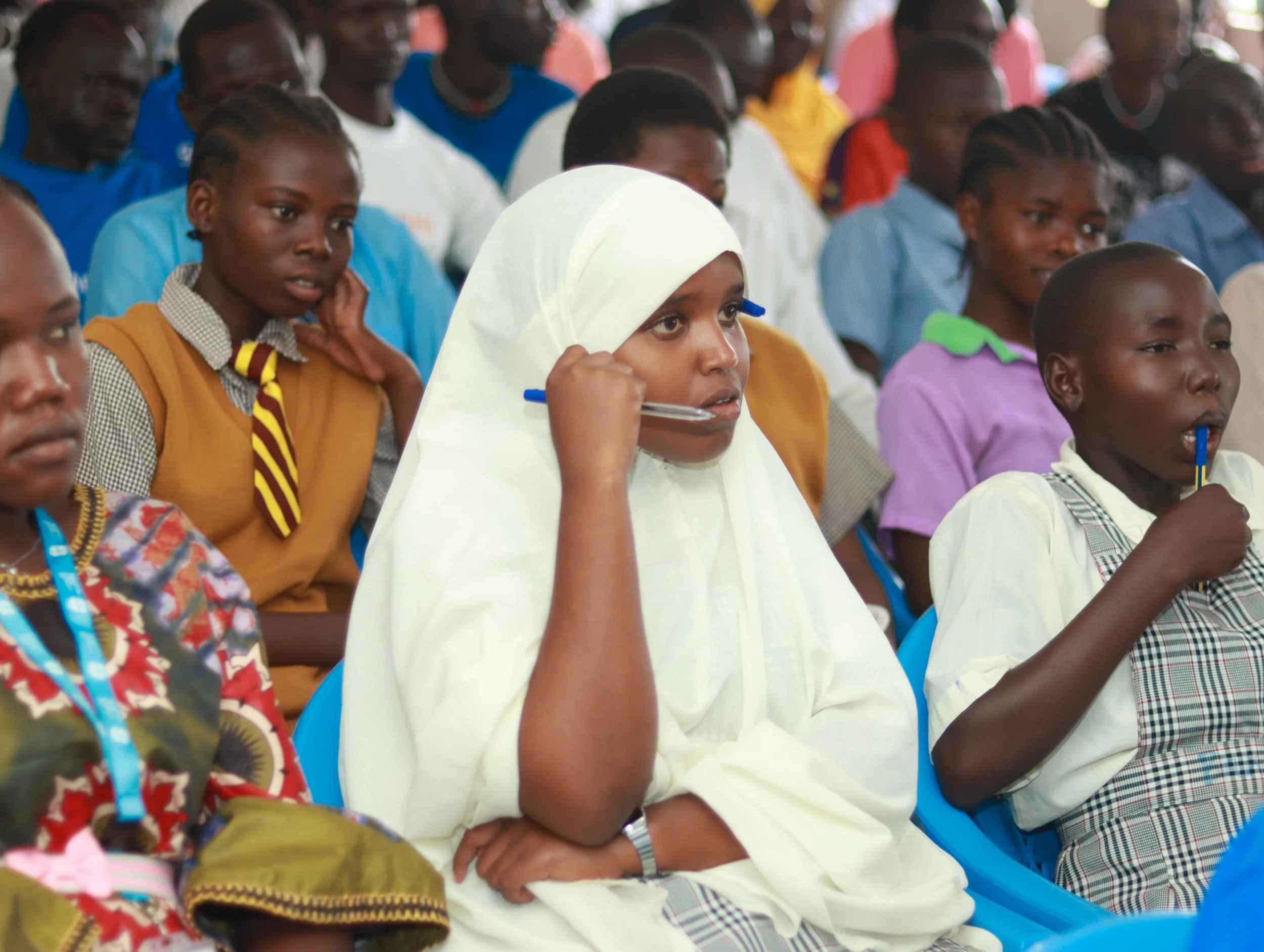
Every year, International Women’s Day invites us to reflect on what real progress for women looks like. The theme for International Women’s Day 2026, “Give to Gain,” encourages individuals, organizations, and communities to think about what we must give in order to create meaningful opportunities for women.
When people hear the word giving, the first thing that often comes to mind is money. Financial support certainly plays an important role, and many programs would not exist without it. But money is only one part of the equation. In many cases, what women need most is not simply funding, but exposure, access, and environments where they can see and experience possibilities that were previously invisible.
This becomes especially clear when we look at women’s participation in technology and digital work.
When we talk about women in technology, the conversation often turns quickly to confidence. We are told that women hesitate to enter technical fields because they doubt their ability to succeed in them. Yet after several years working with refugee youth in Kakuma, that explanation has never fully matched what we have seen in practice.
From our experience, the issue is rarely that women are incapable of learning digital skills or performing technical work. The deeper question is whether women are ever given enough exposure to see these fields as realistic options in the first place.
If the theme this year is about giving, then the question becomes very practical: what exactly must we give women so that digital and tech work stops looking like a doubtful possibility and starts looking like a viable path?
The Early Days of Creative Gateway
When Creative Gateway first began training refugee youth in Kakuma in digital skills such as 3D modelling, we did not start with a large number of female participants. In fact, the first cohort had very few girls.
This was not because the program excluded them. The opportunity was open to everyone. Yet the response revealed something important about how digital work is perceived. For many young women in Kakuma, the idea of working with advanced creative software, building digital assets, or freelancing online simply did not appear to be an obvious career path.
Technology often looks like a space designed for someone else.
But the few girls who did step forward changed the trajectory of the program in ways we could not have predicted.
Two of those early students, Zuwena and Rahma, became the first female pioneers of the Creative Gateway program. They entered the training when the idea of refugee youth working as freelance 3D artists was still new and uncertain. Like many beginners, they had never worked with professional creative software before and were learning everything from the ground up.
What distinguished them was not prior technical experience. It was persistence.
Over time, both Zuwena and Rahma developed strong technical abilities and successfully graduated from the program. After completing their training, they went on to work as freelance 3D modellers, contributing to real projects and building professional portfolios.
Their impact, however, extended far beyond their own careers.
As other young women in Kakuma began hearing about their work, something began to change. For the first time, girls in the community could point to people they knew—people who shared similar backgrounds and circumstances—who were working in a field that previously felt distant.
Zuwena and Rahma did not just become graduates of the program. They became visible proof that digital work was possible.
Over the years, their presence has quietly influenced how other girls view technology and creative digital work. Today, we see more and more young women applying to join the training. That shift did not happen because we told them they should believe in themselves. It happened because they could see someone who had already done it.
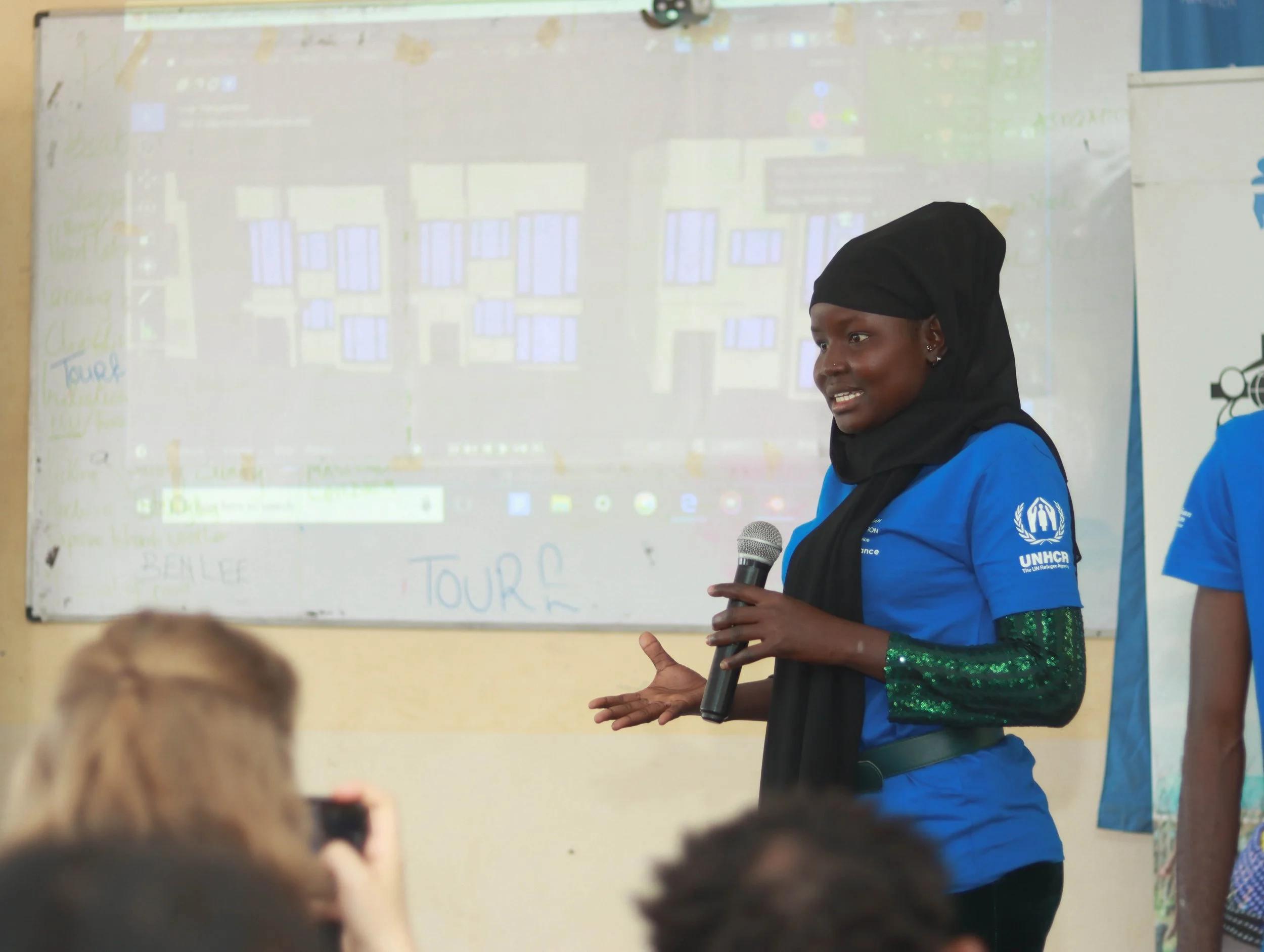
Rahma Napeyok giving a presentation at a past Creative Gateway event.
What Women Need to Be Given
Our experience over the years has shaped how we think about women’s participation in digital skills programs. If the theme of International Women’s Day this year is about giving, then the real question is not simply how to encourage women to enter technology.
The more important question is what we must give them so that technology becomes imaginable in the first place.
Give Exposure
One of the most powerful things we can give is exposure.
Exposure to digital tools. Exposure to creative software. Exposure to environments where learning technology is normal rather than intimidating.
For many young people in Kakuma, their first real interaction with advanced creative software happens inside a training program like Creative Gateway. Without that exposure, the digital economy can remain something abstract—something that happens somewhere else in the world.
Once that exposure exists, however, the perception begins to shift. Technology stops looking like a distant or specialized field and begins to look like something tangible that they can learn and work with.
Give Role Models
Women also need to see people like themselves succeeding in these spaces.
Role models matter because they make possibility visible.
The influence of Zuwena and Rahma illustrates this clearly. Their journey from beginners to freelance 3D artists has had a direct effect on how other girls in Kakuma view digital work. Seeing someone from the same community succeed in a technical field makes the path easier to imagine.
Representation rarely works through campaigns or speeches. It works through visibility.
When young women can see others like themselves doing the work, the question changes from “Is this possible?” to “How do I start?”
Give Space to Practice
Another important thing we must give women is space to experiment and practice.
In 2023, Creative Gateway established a container hub in Kakuma that has become central to our training and freelance work. The hub functions as a dedicated workspace for our graduates and trainees. It is where they come to practice their skills, collaborate with one another, and complete real client projects.
In many ways, it operates like a small creative office.
This space is especially important in Kakuma because working conditions are not always easy. The camp experiences extremely high temperatures, and without proper ventilation and cooling, it would be nearly impossible to work with computers for long periods. The air conditioning in the hub is not a luxury. It is a necessity that makes focused work possible.
The hub also provides something else that is often taken for granted elsewhere: reliable internet connectivity. Stable internet is rare in Kakuma, yet it is essential for freelance digital work. Students need it to upload files, communicate with clients, attend meetings, and submit completed projects.
Beyond the equipment and connectivity, the hub has gradually evolved into something even more valuable—a community space. It has become a place where freelancers from the program meet, exchange ideas, troubleshoot technical challenges, and support one another.
For women in the program, this community has been particularly important. Being able to work alongside other female freelancers creates a sense of belonging and mutual support. They can share experiences, ask questions, and see firsthand that there are others navigating the same path.
This environment has played a major role in encouraging more women to join the program.
Give Access
Finally, women need access.
Access to computers. Access to stable internet connections. Access to training environments where they can practice regularly and build real skills.
Without these basic resources, even the most motivated learner cannot progress. Talent alone is not enough if the tools required to develop that talent are out of reach.
Access is what transforms curiosity into capability.
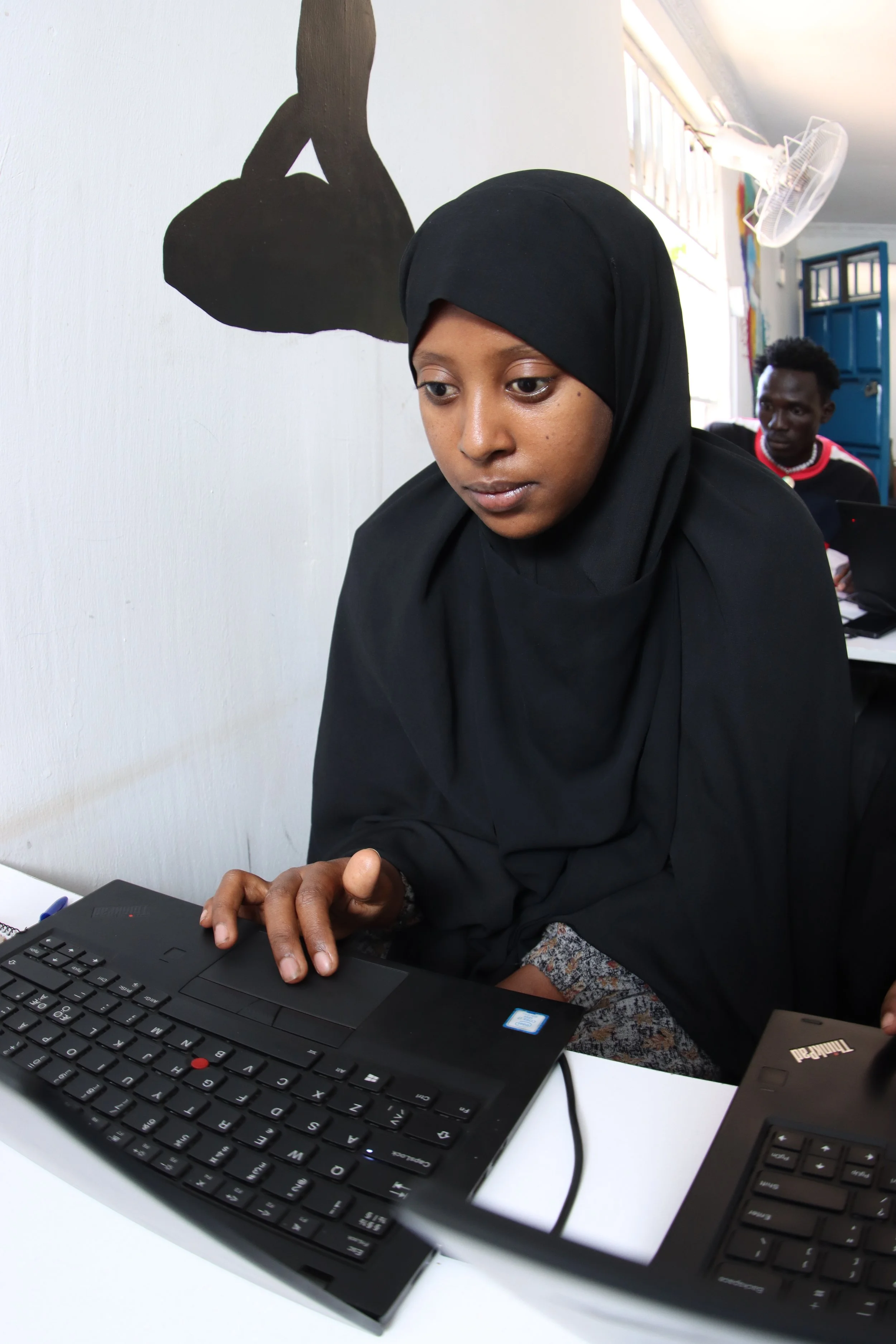
What women gain depends on what we choose to give
When we consider the theme “Give to Gain,” it becomes clear that what we give women determines what they are able to gain in return.
When women are given exposure, they gain familiarity with technology.
When they are given role models, they gain belief in what is possible.
When they are given space to experiment, they gain confidence through experience.
When they are given access to tools and training, they gain the ability to build real skills.
And when women gain these things, the benefits extend far beyond the individual.
Families gain new sources of income. Communities gain skilled professionals. The digital economy gains talented workers who might otherwise never have entered the field.
For us at Creative Gateway, International Women’s Day is not only a moment to celebrate women’s achievements. It is also an opportunity to reflect on the environments we create and the opportunities we make visible.
Progress does not happen simply by encouraging women to enter new fields. It happens when we create the conditions that allow them to see themselves there, learn the skills required, and build careers with confidence.
When women are given the right opportunities, they do not simply participate in the digital economy—they help expand it.
And as we celebrate International Women’s Day 2026, we are reminded that meaningful change often begins with a simple question:
What are we willing to give so that more women can gain the opportunity to thrive?
Happy International Women’s Day 2026.